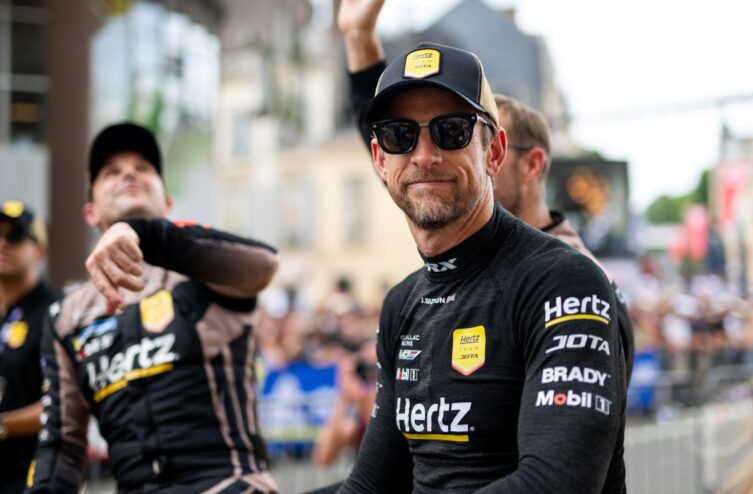
Jenson Button NASCAR Retirement name is forever etched into Formula 1 history, but his brief and intriguing journey into NASCAR added an unexpected and fascinating chapter to his career. When conversations around Jenson Button NASCAR retirement began circulating, fans across motorsport communities had mixed emotions—curiosity, nostalgia, and plenty of respect. Button stepping away from NASCAR wasn’t a sudden disappearance, but rather a carefully considered decision that reflected both his evolving priorities and his broader vision as a racing professional.
Button has always been known as a thoughtful racer. Unlike drivers who chase endless starts and statistics, he tends to pick challenges that excite him personally. NASCAR, especially at the Cup Series level, represented a bold experiment rather than a long-term career shift. His eventual withdrawal from regular NASCAR competition felt less like retirement in the traditional sense and more like a strategic closing of one chapter.
Understanding the significance of Button’s NASCAR retirement requires context. This wasn’t about declining performance or lack of opportunity. Instead, it was about timing, motivation, and the reality that even elite drivers must eventually choose where their energy is best spent.
From Formula 1 Champion to NASCAR Curious: Why Button Made the Jump
Before discussing Jenson Button NASCAR retirement, it’s important to understand why he entered NASCAR in the first place. As a 2009 Formula 1 World Champion, Button had already achieved the pinnacle of single-seater racing. Yet retirement from F1 didn’t mean retirement from competition. Instead, it opened the door to new racing cultures and challenges.
NASCAR represented something radically different from F1. The cars were heavier, the tracks demanded close-quarters racing, and the style emphasized aggression and adaptability over pure aerodynamics. For Button, this was appealing. He wasn’t chasing championships; he was chasing experiences. NASCAR gave him the chance to test himself outside the familiar European racing ecosystem.
Jenson Button NASCAR Retirement move also reflected a broader trend among elite drivers who explore American motorsport later in their careers. NASCAR’s growing openness to international talent made it easier for someone like Button to participate without committing to a full season. His appearances were selective, meaningful, and clearly driven by personal curiosity rather than commercial pressure.
The Reality of Competing in NASCAR as an F1 Veteran
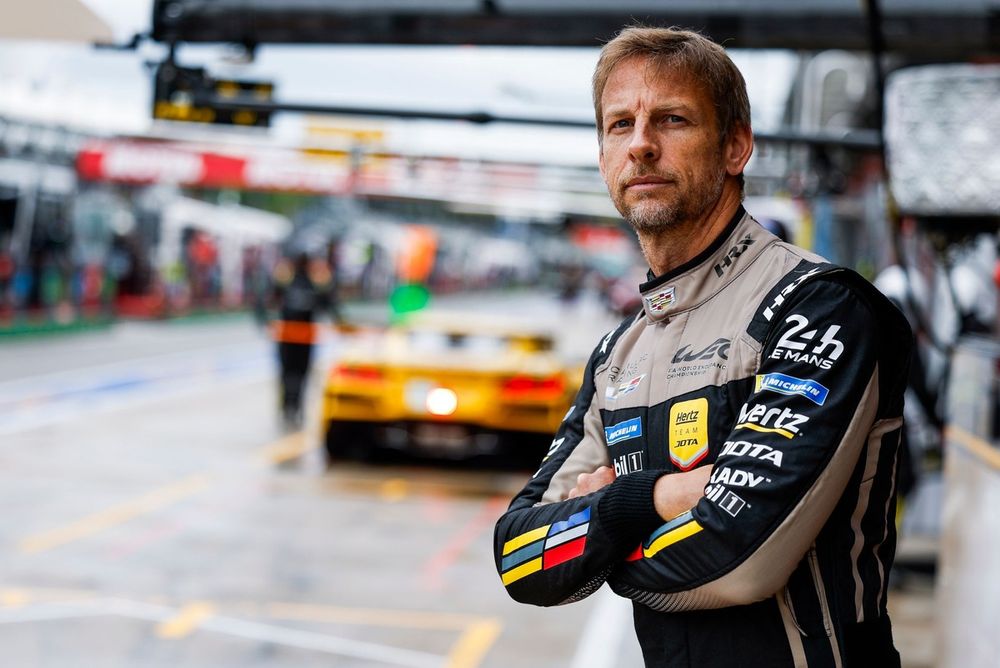
Jenson Button NASCAR Retirement actually climbed into a NASCAR Cup Series car, the learning curve became immediately obvious. NASCAR racing looks simple on the surface—turn left, manage speed—but in reality, it’s brutally complex. Car control, tire wear, drafting, and constant traffic create a very different mental workload compared to Formula 1.
Button was refreshingly honest about this challenge. He never claimed instant mastery, nor did he downplay the skill of full-time NASCAR drivers. Instead, he openly discussed how different the racing felt and how much adaptation was required. This humility earned him respect within the NASCAR community, even when results didn’t make headlines.
These experiences played a role in shaping discussions around Jenson Button NASCAR retirement. Competing part-time meant limited seat time, and NASCAR rewards repetition and rhythm. Button understood that without a full-season commitment, long-term competitiveness would be difficult. Rather than forcing the issue, he chose to step back gracefully.
Why Jenson Button’s NASCAR Retirement Was Inevitable
When fans hear the word “retirement,” it often implies decline or finality. In Button’s case, NASCAR retirement was neither. It was the natural conclusion of a limited experiment. Button never positioned himself as a future NASCAR champion-in-waiting. From the beginning, his involvement was exploratory.
One major factor was lifestyle balance. NASCAR’s schedule is intense, with long seasons and constant travel across the United States. Button, who already had commitments in endurance racing, broadcasting, and family life, wasn’t interested in the grind required for full-time competition. NASCAR demands total immersion, and Button simply had other priorities.
Additionally, Button’s competitive philosophy played a role. He has repeatedly stated that he prefers racing where he can genuinely fight at the front or meaningfully contribute. If he couldn’t dedicate the time needed to reach that level in NASCAR, stepping away made more sense than continuing half-heartedly. This mindset ultimately defined Jenson Button NASCAR retirement as a thoughtful decision rather than a forced exit.
How NASCAR Fans and Drivers Reacted to Button Stepping Away
The reaction to Jenson Button NASCAR retirement was largely positive and respectful. NASCAR fans tend to appreciate authenticity, and Button brought that in abundance. He never pretended to be something he wasn’t, nor did he approach the series with arrogance. His willingness to learn and acknowledge mistakes resonated with many.
Fellow drivers also expressed admiration. Several NASCAR veterans publicly recognized the difficulty of transitioning from Formula 1 to stock cars. Button’s presence highlighted just how specialized NASCAR skills are, reinforcing respect for drivers who compete there full-time.
Importantly, Jenson Button NASCAR Retirement departure didn’t sour opinions. Instead, it left the door open for occasional future appearances. Unlike controversial exits, his NASCAR retirement felt clean and amicable. It strengthened his reputation as a racer who respects every discipline he touches.
What Jenson Button NASCAR Retirement Says About Modern Motorsport Careers
One of the most interesting aspects of Jenson Button NASCAR retirement is what it reveals about modern racing careers. Today’s elite drivers are no longer confined to one category for life. Instead, they curate careers across multiple disciplines—Formula 1, endurance racing, NASCAR, and even off-track roles.
Button exemplifies this evolution. His career arc shows that success isn’t just about collecting trophies; it’s about meaningful participation. NASCAR was one chapter, not the whole book. Walking away didn’t diminish its value—it preserved it as a positive experience.
This approach contrasts sharply with older generations of drivers who often felt pressure to “prove themselves” everywhere. Button had nothing left to prove. His NASCAR retirement reinforced the idea that knowing when to stop is just as important as knowing when to start.
Life After NASCAR: Where Jenson Button Focuses His Energy Now
After stepping away from Jenson Button NASCAR Retirement didn’t slow down—he simply redirected his focus. Endurance racing, particularly events like Le Mans, continues to play a major role in his professional life. These races suit his experience, strategic thinking, and desire for teamwork.
Button has also become a respected voice in motorsport media. His analysis is insightful without being overbearing, and his firsthand knowledge adds depth to broadcasts. This media role allows him to stay deeply connected to racing without the physical toll of constant competition.
In many ways, Jenson Button NASCAR retirement freed him to enjoy racing on his own terms. He can choose events that excite him, contribute intellectually to the sport, and maintain a healthier work-life balance—something many full-time drivers struggle to achieve.
Will We Ever See Jenson Button in NASCAR Again?
While the phrase “Jenson Button NASCAR retirement” suggests finality, motorsport history teaches us to never say never. Button himself has left the door slightly open for one-off appearances. If the right opportunity arises—a special event, a road course, or a unique collaboration—it wouldn’t be shocking to see him back.
That said, a full-time return is extremely unlikely. Jenson Button NASCAR Retirement priorities have clearly shifted, and NASCAR’s competitive demands haven’t changed. Any future involvement would be about enjoyment rather than ambition.
This uncertainty actually enhances his NASCAR legacy. Instead of overstaying his welcome, Button left fans curious and appreciative. If he does return, it will feel like a celebration rather than a comeback attempt.
Final Thoughts on Jenson Button NASCAR Retirement
The story of Jenson Button NASCAR retirement is not about failure or fading relevance. It’s about intentional choices made by a driver who understands his limits, values his time, and respects the sport. Button entered NASCAR with curiosity, competed with humility, and exited with dignity.
His brief NASCAR journey added depth to his already impressive legacy. It showed that even world champions must adapt, learn, and sometimes step away when a challenge no longer aligns with their goals. In doing so, Button set an example for future drivers navigating multi-discipline careers.
Ultimately, Jenson Button NASCAR Retirement because he couldn’t race—it’s because he knew exactly why he was racing in the first place. And that clarity may be his greatest victory of all.