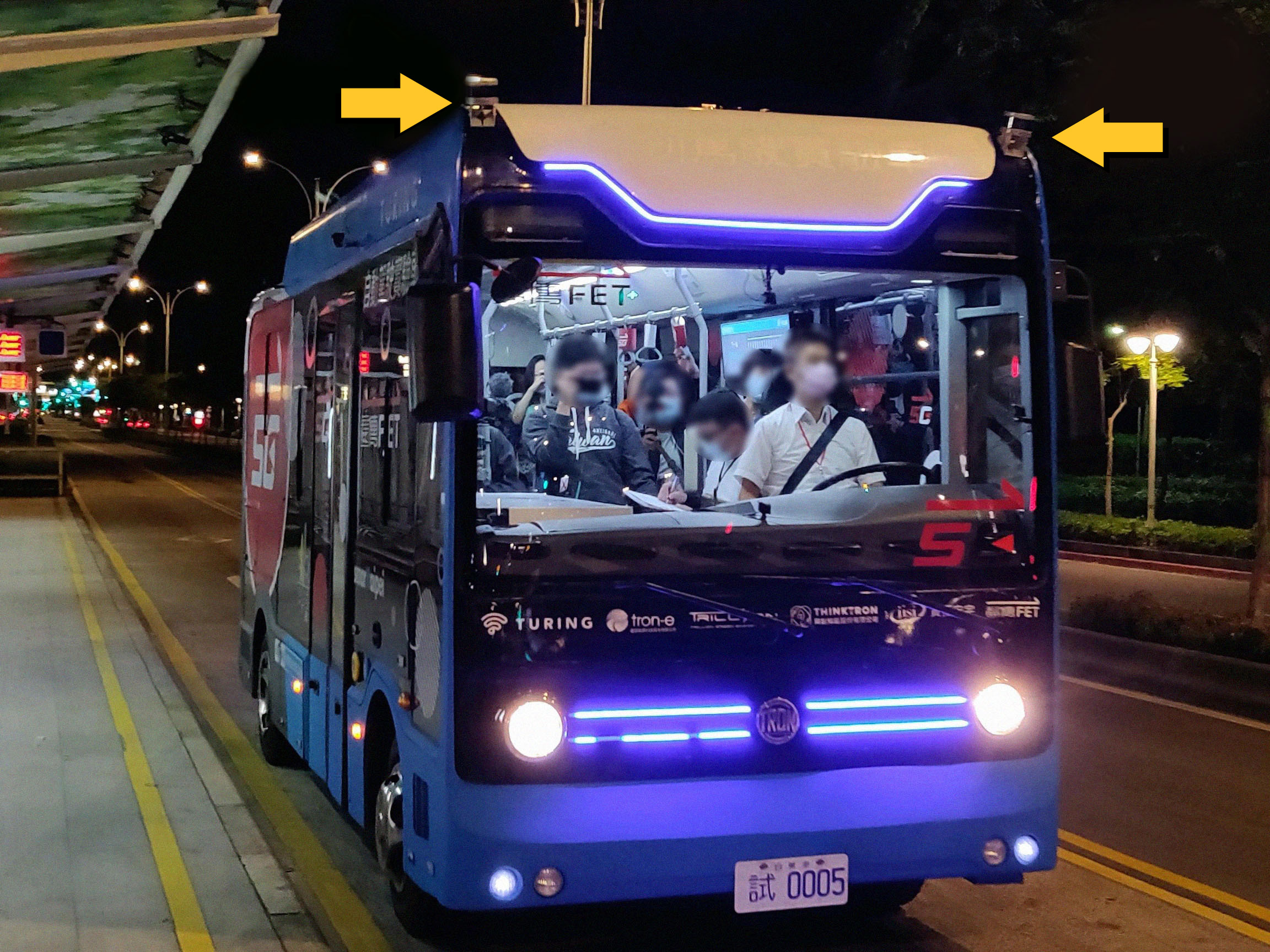
Taiwan Self-Driving Gharry has long been known as a global technology powerhouse, but what truly sets it apart is how seamlessly it blends innovation with culture. One of the most fascinating examples of this fusion is the Taiwan self-driving gharry—an autonomous vehicle concept inspired by the traditional horse-drawn carriage, reimagined for the age of artificial intelligence and smart mobility. This idea isn’t just about transportation; it’s about preserving heritage while stepping boldly into the future.
At first glance, the phrase “self-driving gharry” might sound contradictory. Gharries are symbols of the past, often associated with slow-paced travel, human connection, and old-world charm. Taiwan’s approach flips that narrative by embedding cutting-edge autonomous technology into a vehicle that visually and emotionally connects to history. The result is a mobility solution that feels both nostalgic and futuristic.
This concept has gained attention not just within Taiwan but internationally, especially among urban planners, tourism boards, and smart city developers. The Taiwan self-driving gharry is becoming a case study in how technology can enhance cultural storytelling rather than erase it.
The Cultural Roots Behind the Gharry Concept
To understand the significance of the Taiwan self-driving gharry, you have to start with the gharry itself. Traditionally, a gharry was a horse-drawn carriage used across many parts of Asia for daily commuting and ceremonial purposes. It symbolized accessibility, craftsmanship, and a slower rhythm of life—values that are often missing in today’s fast-moving cities.
Taiwan, despite its ultra-modern skyline and semiconductor dominance, places deep value on cultural preservation. The idea of reviving the gharry in a modern form aligns perfectly with the country’s philosophy of respecting the past while innovating for the future. Instead of letting traditional transport ideas fade into museums, Taiwan is giving them a second life on real streets.
By choosing the gharry as a design inspiration, developers are making a statement: progress doesn’t have to erase tradition. The self-driving gharry carries visual cues like curved roofs, wooden textures, and open seating layouts, all while hiding sensors, cameras, and AI systems beneath the surface. It’s culture, but upgraded.
How Taiwan’s Autonomous Technology Powers the Self-Driving Gharry

Underneath its traditional exterior, the Taiwan self-driving gharry is a serious piece of technology. These vehicles rely on a combination of LiDAR sensors, computer vision cameras, radar systems, and high-precision GPS to navigate complex urban environments. Taiwan’s strong electronics and AI industries play a massive role in making this possible.
Local universities and research institutes collaborate with private tech companies to refine autonomous driving algorithms specifically for Taiwan’s road conditions. Narrow streets, mixed traffic, scooters, pedestrians, and unpredictable weather all present challenges that generic self-driving systems often struggle with. The gharry project is designed with these realities in mind.
Another key strength is Taiwan’s smart infrastructure. Many pilot areas are equipped with connected traffic signals, digital mapping systems, and vehicle-to-infrastructure communication. This allows the self-driving gharry to “talk” to its surroundings, improving safety and efficiency. It’s not just a smart vehicle—it’s part of a smart ecosystem.
Use Cases: Tourism, Urban Transport, and Smart Cities
One of the most practical applications of the Taiwan self-driving gharry is tourism. Imagine visiting a historic district, night market, or cultural village and being guided through the area in an autonomous gharry that narrates local stories as it moves. This creates a slow, immersive experience that walking or conventional buses can’t offer.
Cities like Tainan and Taipei are especially well-suited for this model. These places already attract visitors interested in heritage, food, and history. A self-driving gharry enhances the experience without adding noise or pollution, making it ideal for pedestrian-heavy zones and preservation areas.
Beyond tourism, the gharry also has potential as a short-distance urban transport solution. In controlled environments like university campuses, industrial parks, or eco-districts, it can function as a last-mile vehicle. It’s compact, energy-efficient, and designed to coexist safely with pedestrians, making it a strong alternative to traditional shuttles.
Sustainability and Environmental Impact
Sustainability is a core pillar of the Taiwan self-driving gharry concept. Most prototypes are fully electric, producing zero tailpipe emissions and significantly reducing noise pollution. This makes them especially suitable for historic districts where environmental preservation is a priority.
Taiwan’s push toward renewable energy also strengthens the environmental case. Charging infrastructure increasingly relies on cleaner energy sources, which means the overall carbon footprint of these vehicles continues to shrink. Compared to fuel-powered tourist buses or private cars, the difference is substantial.
There’s also an indirect environmental benefit: encouraging shared and autonomous transport reduces the need for private vehicle ownership. When people trust smart mobility solutions like the self-driving gharry, traffic congestion decreases, urban air quality improves, and cities become more livable.
Public Perception and Social Acceptance in Taiwan
One of the most interesting aspects of the Taiwan self-driving gharry is how positively it has been received by the public. Autonomous vehicles often face skepticism, especially among older generations. However, the familiar design of the gharry helps ease that fear. People see something they recognize, even if the technology inside is new.
Public pilot programs usually include onboard attendants or remote monitoring during early stages. This hybrid approach builds trust while gradually introducing full autonomy. Over time, as safety records improve, acceptance grows naturally rather than being forced.
Taiwanese society is also generally tech-friendly. From contactless payments to smart healthcare systems, people are used to innovation in daily life. The self-driving gharry fits into that mindset, especially because it feels purposeful rather than gimmicky.
Challenges Facing the Taiwan Self-Driving Gharry
Despite its promise, the Taiwan self-driving gharry is not without challenges. Regulatory frameworks for autonomous vehicles are still evolving, and approvals can be slow. Safety certification, insurance liability, and data privacy are complex issues that require careful handling.
There’s also the cost factor. Developing and maintaining autonomous systems isn’t cheap, and scaling production to make gharries widely available will take time. Governments and private investors need to collaborate to ensure financial sustainability.
Another challenge is operational limitation. Self-driving gharries work best in geo-fenced areas with well-mapped routes. Expanding beyond controlled environments requires significant infrastructure upgrades and continuous system training. While progress is steady, patience is essential.
The Global Significance of Taiwan’s Approach
What makes the Taiwan self-driving gharry truly special is its global relevance. Many countries struggle with the tension between modernization and cultural preservation. Taiwan is offering a blueprint that shows these goals don’t have to conflict.
Urban planners from other parts of Asia, Europe, and even the Middle East are watching these developments closely. The idea of culturally themed autonomous transport could be adapted to trams, boats, or heritage vehicles elsewhere, using Taiwan’s model as inspiration.
In this sense, the self-driving gharry isn’t just a local experiment—it’s a symbol of thoughtful innovation. It proves that technology can be human-centered, emotionally resonant, and culturally respectful all at once.
The Future of the Taiwan Self-Driving Gharry
Looking ahead, the future of the Taiwan self-driving gharry appears promising. Advances in AI, battery technology, and edge computing will make these vehicles safer, smarter, and more affordable. As regulations mature, broader deployment will become possible.
We can also expect deeper integration with digital services. Think mobile apps for booking rides, multilingual audio guides, and real-time route customization. The gharry could become a moving digital platform, not just a vehicle.
Ultimately, the Taiwan self-driving gharry represents more than transportation. It’s a vision of how societies can move forward without losing their soul. In a world obsessed with speed and efficiency, Taiwan is reminding us that progress can still be graceful.