Introduction: What Is Koriandri?
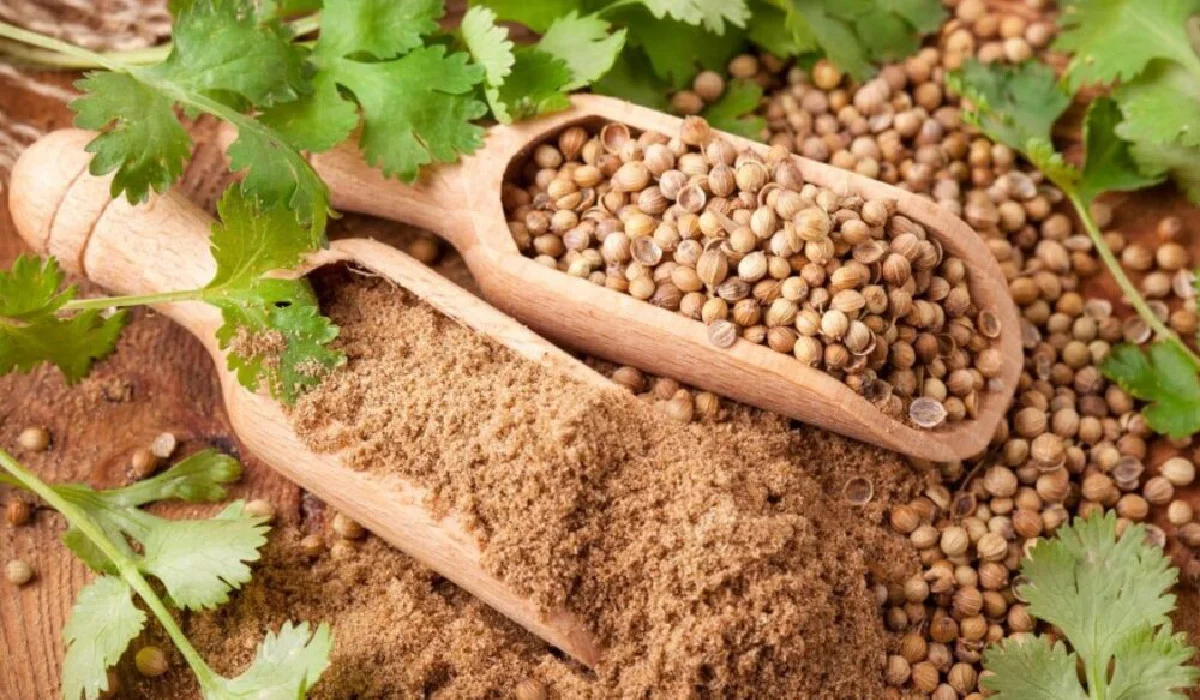
Koriandri, more commonly known around the world as coriander or cilantro, is one of the most versatile and ancient herbs used by humankind. From fragrant kitchens to traditional medicine cabinets, this humble green plant has built a reputation that stretches across continents and centuries. The term Koriandri often refers to the entire plant, including its fresh leaves (cilantro), dried seeds (coriander), and even its stems and roots, all of which carry distinct flavors and health properties. Its unique citrusy, slightly peppery aroma makes it instantly recognizable in both raw and cooked dishes.
Botanically known as Coriandrum sativum, Koriandri belongs to the parsley family, yet it has a personality all its own. What makes it especially fascinating is that different parts of the same plant are used in completely different ways. The leaves add freshness and brightness to dishes, while the seeds bring warmth and depth as a spice. Beyond the kitchen, Koriandri has been valued for digestive support, detoxification, and overall wellness in traditional healing systems for thousands of years.
Today, Koriandri is experiencing a global resurgence, not just as a culinary herb but as a natural health booster. With growing interest in plant-based diets, herbal remedies, and clean eating, this ancient super herb is being rediscovered by a new generation. Its nutritional richness, healing reputation, and culinary flexibility make Koriandri far more than a garnish — it is a powerhouse plant that bridges food and medicine beautifully.
1. The Origins and History of Koriandri
Koriandri’s story begins in the ancient world, where it was treasured as both a spice and a medicinal plant. Archaeological evidence shows coriander seeds were found in ancient Egyptian tombs, suggesting that the herb was valued not only for daily life but also for spiritual and ceremonial purposes. The Greeks and Romans used Koriandri extensively in cooking, perfumes, and herbal remedies. It traveled along trade routes, spreading from the Mediterranean to Asia, where it became deeply rooted in regional cuisines and healing traditions.
In Ayurveda, the traditional medical system of India, Koriandri has long been used to cool the body, aid digestion, and balance internal energies. Traditional Chinese Medicine also recognized coriander for its ability to support circulation and relieve digestive discomfort. Across cultures, the herb was believed to have protective and purifying qualities, often associated with cleansing both the body and the environment.
Culturally, Koriandri holds symbolic meaning as well. In some Middle Eastern traditions, it was thought to bring good luck and love. Its seeds were sometimes used in rituals and traditional ceremonies. Over centuries, this adaptable herb became a staple ingredient in spice blends, herbal tonics, and home remedies, embedding itself deeply into culinary and medicinal history. Today, when we use Koriandri, we are participating in a tradition that spans thousands of years.
2. Botanical Profile and Varieties of Koriandri
Koriandri is an annual herb that grows quickly and thrives in cool weather. The plant has delicate, feathery leaves that resemble parsley, slender stems, and small white or pale pink flowers that eventually produce round, beige seeds known as coriander. Each stage of the plant’s life cycle offers something valuable. The leaves are harvested fresh, while the seeds are dried and used as a spice with a completely different flavor profile.
The leaves, often called cilantro, have a bright, citrusy taste that some people adore while others find soapy due to genetic differences in taste perception. The seeds, on the other hand, are warm, nutty, and slightly sweet when toasted or ground. Coriander powder, made from ground seeds, is a foundational spice in many global cuisines. Coriander essential oil and extracts are also used in aromatherapy and natural remedies for their soothing and antimicrobial properties.
Nutritionally, Koriandri is surprisingly rich. The fresh leaves contain vitamins A, C, and K, while the seeds provide dietary fiber, minerals, and plant compounds. This dual-purpose nature — herb and spice from the same plant — makes Koriandri botanically unique and exceptionally valuable in both kitchens and herbal traditions.
3. Nutritional Value of Koriandri
Koriandri may look delicate, but it carries an impressive nutritional profile. The fresh leaves are low in calories yet packed with vitamins and antioxidants. Vitamin K, essential for blood clotting and bone health, is abundant in cilantro leaves. Vitamin C supports immunity and skin health, while vitamin A plays a key role in vision and cellular growth. These nutrients make Koriandri a powerful addition to a balanced, whole-food diet.
The seeds also bring nutritional benefits, particularly in the form of minerals like iron, magnesium, and calcium. These minerals contribute to energy production, muscle function, and strong bones. Coriander seeds also contain dietary fiber, which supports digestive health and helps maintain stable blood sugar levels. When used regularly in cooking, Koriandri quietly adds both flavor and nourishment.
Beyond vitamins and minerals, Koriandri contains beneficial plant compounds and essential oils, including linalool, which is known for its calming and antimicrobial properties. These phytochemicals contribute to the herb’s traditional use in soothing digestion, reducing inflammation, and supporting overall wellness. This combination of nutrients and natural compounds is what gives Koriandri its reputation as a true functional food.
4. Health Benefits of Koriandri
One of the most well-known benefits of Koriandri is its positive effect on digestion. Traditionally, coriander seeds have been used to ease bloating, gas, and indigestion. The herb helps stimulate digestive enzymes, making it easier for the body to break down food efficiently. Many cultures prepare coriander-infused teas or add the seeds to meals specifically to support a comfortable, balanced digestive system.
Koriandri is also associated with heart health. Some studies suggest that coriander may help manage cholesterol levels and support healthy blood pressure. Its anti-inflammatory and antioxidant properties may contribute to protecting blood vessels and reducing oxidative stress, both of which are important for cardiovascular wellness. While it is not a replacement for medical treatment, it can be a supportive part of a heart-friendly diet.
Another area of interest is blood sugar regulation. Traditional medicine systems have used coriander to help maintain stable blood sugar levels, and modern research continues to explore this potential. Additionally, Koriandri’s detoxifying reputation stems from its ability to support the body’s natural cleansing processes. Its antimicrobial properties may also benefit skin health, helping to soothe minor irritations and promote a clearer complexion when included as part of a healthy diet.
5. Culinary Uses of Koriandri Around the World
Koriandri is a global kitchen superstar. In Indian cuisine, ground coriander seeds are a key ingredient in curry powders and masalas, adding warmth and depth. Fresh cilantro is sprinkled over dals, chutneys, and street foods for a burst of freshness. In Mexican cooking, cilantro is essential in salsas, guacamole, and tacos, where its bright flavor balances rich and spicy elements beautifully.
Middle Eastern and Mediterranean cuisines also rely heavily on Koriandri. Coriander seeds are used in spice blends, marinades, and pickles, while fresh leaves are added to salads, soups, and grilled dishes. The herb pairs well with legumes, vegetables, seafood, and meats, making it incredibly versatile. Even simple dishes like rice or lentils can be transformed with a handful of chopped Koriandri.
Understanding how to use Koriandri properly enhances its impact. Fresh leaves are best added at the end of cooking to preserve their delicate flavor, while seeds benefit from gentle toasting to release their aromatic oils. Proper storage — refrigerating leaves and keeping seeds in airtight containers — ensures that this flavorful, health-supporting herb is always ready to elevate meals.
6. How to Grow Koriandri at Home
Growing Koriandri at home is surprisingly easy, making it a favorite among beginner gardeners. The plant prefers cool weather and well-drained soil with plenty of sunlight. Seeds can be sown directly into pots or garden beds, and they typically sprout within one to two weeks. Because Koriandri grows quickly, fresh leaves can often be harvested in just a few weeks.
Regular watering is important, but overwatering should be avoided. Container gardening works well for Koriandri, especially in small spaces like balconies or windowsills. Snipping leaves regularly encourages bushier growth and a continuous supply of fresh cilantro for the kitchen. If left to mature, the plant will flower and produce seeds that can be harvested and dried as coriander spice.
Common challenges include pests and bolting, which happens when the plant flowers too quickly in hot weather. Providing partial shade in warm climates and consistent watering can help extend the leaf-harvesting stage. With minimal effort, a small pot of Koriandri can provide both fresh flavor and a sense of connection to the food you eat.
7. Potential Side Effects and Precautions
Although Koriandri is generally safe for most people, some individuals may experience allergic reactions, particularly to the fresh leaves. Symptoms can include itching or mild digestive discomfort. As with any herb, moderation is key, especially when using concentrated forms like essential oils or supplements.
Pregnant or breastfeeding individuals and those on specific medications should consult a healthcare professional before using Koriandri medicinally. While culinary use is typically safe, medicinal doses may interact with certain conditions or treatments. Listening to your body and seeking professional advice when needed ensures safe and beneficial use.
8. Koriandri in Modern Wellness
Today, Koriandri is a star in the natural wellness world. It appears in detox drinks, herbal teas, green juices, and plant-based recipes. Coriander essential oil is used in aromatherapy for relaxation and digestive comfort. Supplements and extracts are also available, though whole-food use remains the most traditional and balanced approach.
As more people return to natural, plant-based lifestyles, Koriandri stands out as a simple yet powerful herb that connects ancient wisdom with modern nutrition. Its ability to nourish, flavor, and support well-being makes it a timeless addition to daily life.
Conclusion: Why Koriandri Deserves a Place in Every Kitchen
Koriandri is far more than a garnish or spice — it is a bridge between cultures, cuisines, and healing traditions. With its rich history, impressive nutritional value, and wide range of health benefits, this ancient herb continues to prove its relevance in modern times. Whether sprinkled fresh over a meal, brewed into a soothing tea, or grown in a small pot at home, Koriandri offers flavor, nourishment, and wellness in every leaf and seed.