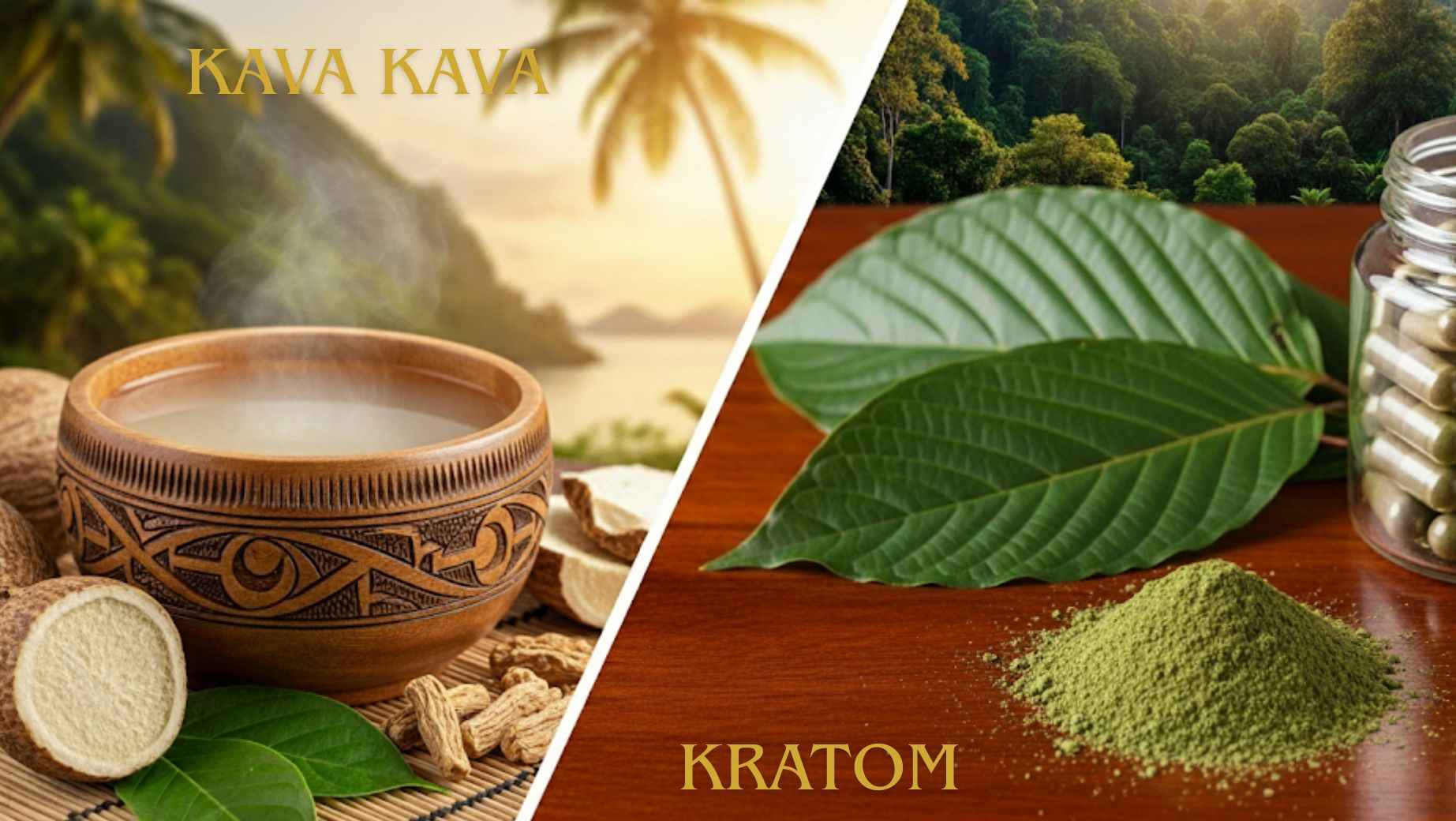
Kava vs Kratom Natural wellness has gone mainstream, and with it, interest in traditional plant-based remedies has exploded. Two names that consistently come up in conversations around relaxation, mood, focus, and pain management are kava and kratom. While they’re often mentioned in the same breath, these plants are fundamentally different—in origin, effects, risks, and cultural history.
If you’ve ever wondered which one is right for you (or whether either is), this guide breaks it all down in a clear, realistic, and expert-backed way. No hype, no fear-mongering—just real information you can actually use.
Understanding the Origins: Where Kava vs Kratom Come From
Kava and kratom may share shelf space in modern wellness shops, but they come from completely different parts of the world and cultural traditions.
Kava vs Kratom (Piper methysticum) originates from the South Pacific, particularly Fiji, Vanuatu, Tonga, and Samoa. For centuries, it has been consumed ceremonially and socially, often prepared as a communal drink. In these cultures, kava isn’t just a supplement—it’s part of social bonding, conflict resolution, and spiritual rituals.
Kratom (Mitragyna speciosa), on the other hand, comes from Southeast Asia, especially Thailand, Indonesia, and Malaysia. Traditionally, kratom leaves were chewed or brewed into tea by laborers to fight fatigue, boost endurance, and manage pain during long workdays.
These distinct origins matter because they shaped how each plant was used historically—and that history directly influences how they affect the body today.
How Kava vs Kratom Works in the Body
Kava vs Kratom effects come primarily from compounds called kavalactones, which interact with the central nervous system in unique ways.
Kava vs Kratom is best known for its calming and anxiolytic (anti-anxiety) properties. It promotes relaxation without heavy sedation, often allowing users to feel calm while remaining mentally clear. Unlike alcohol, it doesn’t usually impair cognitive function when used responsibly.
Another notable feature of Kava vs Kratom is its muscle-relaxing effect. Many people describe a gentle body relaxation that helps ease tension after stressful days. This makes it popular among individuals dealing with anxiety-related muscle tightness or restlessness.
Importantly, Kava vs Kratom does not appear to be physically addictive when used appropriately. However, excessive or long-term misuse—especially with poor-quality extracts—has been associated with liver concerns, which is why quality and moderation matter.
How Kratom Works in the Body
Kratom operates very differently. Its primary active compounds, mitragynine and 7-hydroxymitragynine, interact with opioid receptors in the brain—though not in the same way as traditional opioids.
At low doses, kratom often acts as a stimulant. Users report increased energy, improved focus, and enhanced sociability. This is why it has historically been used to fight fatigue and improve productivity.
At moderate to high doses, kratom becomes more sedating and analgesic, providing pain relief and a calming effect. This dual nature is part of kratom’s appeal—but also part of its controversy.
Because kratom interacts with opioid receptors, it can be habit-forming, especially with frequent or high-dose use. Withdrawal symptoms have been reported, making responsible use and awareness essential.
Effects and Experiences: What Kava vs Kratom Feels Like
The subjective experience of Kava vs Kratom versus kratom is one of the biggest differences between the two.
Kava vs Kratom typically delivers a smooth, mellow calm. Users often describe a relaxed body, reduced mental chatter, and a subtle uplift in mood. It’s social, grounding, and often compared to having a drink—without the hangover.
Kratom experiences are more dose-dependent and variable. One person may feel energized and motivated, while another feels deeply relaxed and pain-free. This variability can make kratom feel powerful—but also unpredictable.
If your goal is stress reduction and relaxation without stimulation, Kava vs Kratom usually feels gentler and more controlled. Kratom, by contrast, feels more medicinal and functional, especially for pain or fatigue management.
Safety, Risks, and Side Effects
No comparison of Kava vs Kratom vs kratom would be complete without addressing safety.
Kava vs Kratom is generally considered safe when used occasionally and sourced responsibly. The biggest risk comes from overuse or low-quality extracts, which may strain the liver. Traditional water-based preparations are widely viewed as safer than alcohol-based extracts.
Common side effects of Kava vs Kratommay include mild nausea, drowsiness, or dry skin with excessive use. When respected, it has a long track record of relatively safe cultural use.
Kratom carries more significant risk, particularly regarding dependency. Side effects can include nausea, constipation, dizziness, irritability, and—in heavy users—withdrawal symptoms like anxiety and restlessness.
Because kratom affects opioid receptors, combining it with other depressants or using it daily without breaks increases risk substantially.
Legal Status and Regulation Differences
Legal status is another major point of separation between kava and kratom.
Kava is legal in most countries, including the United States, though some regions regulate how it can be sold or prepared. Its long cultural history and relatively mild effects have helped it avoid major legal scrutiny.
Kratom exists in a more complicated legal space. While legal at the federal level in the U.S., several states and cities have banned or restricted it. Internationally, kratom faces even tighter controls.
These legal inconsistencies reflect ongoing debate around kratom’s benefits versus risks—and they’re important to consider if you travel or purchase online.
Choosing Between Kava vs Kratom: Which Is Right for You?
Choosing between kava vs kratom depends heavily on your goals and personal health considerations.
If you’re looking for stress relief, anxiety reduction, or a natural social relaxant, Kava vs Kratom is usually the better option. It’s gentler, less habit-forming, and better suited for occasional use in social or evening settings.
If you’re managing chronic pain, fatigue, or low motivation, kratom may feel more effective—but it requires careful dosing and strict boundaries. It’s not something to take casually without understanding its risks.
Many experienced users emphasize that these plants are not interchangeable. Treating them as such often leads to misuse or disappointment.
Final Thoughts: Respect the Plant, Respect Yourself
The debate around kava vs kratom isn’t about which plant is “better”—it’s about understanding what each one does and using it responsibly.
Kava vs Kratom offers calm, clarity, and connection. Kratom offers strength, relief, and energy. Both can be beneficial when used intentionally and with respect for their power.
The real key is education. When you understand how these plants work, where they come from, and what they demand from the user, you’re far more likely to have a positive experience.
Nature provides powerful tools—but it’s up to us to use them wisely.