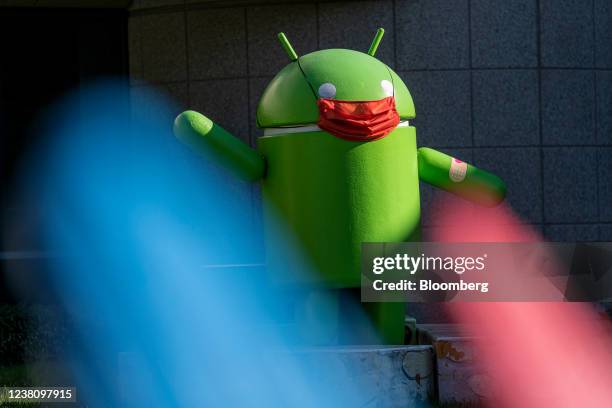
The Android mascot is one of the most recognizable symbols in modern technology. Simple, friendly, and instantly memorable, this little green robot has grown far beyond being just a logo for an operating system. It represents openness, creativity, and the massive global community that powers Android devices today.
Over the years, the has evolved visually and culturally, adapting to changing design trends while staying true to its original spirit. From developer conferences to phone launch events, and even street art, the mascot has become deeply embedded in tech culture.
In this article, we’ll take a deep dive into the origins of the Android mascot, its design philosophy, its many transformations, and why it continues to matter in a competitive tech landscape. Whether you’re a tech enthusiast, designer, or casual Android user, there’s more to this mascot than meets the eye.
The Origin of the Android Mascot
The Android mascot was created in 2007, around the same time Google was preparing Android for public release. Unlike many corporate mascots that are outsourced to branding agencies, this one was designed internally. The credit goes to Irina Blok, a Google designer who was tasked with creating a symbol that felt approachable and universal.
From the beginning, the goal was simplicity. The design was inspired by restroom signage—those universal stick-figure symbols that anyone can understand regardless of language or culture. This choice aligned perfectly with Android’s mission to be an open and accessible platform for users worldwide.
Interestingly, the mascot wasn’t heavily marketed at first. It quietly appeared in documentation, early Android branding, and developer materials. Over time, developers and users began embracing it, customizing it, and sharing it online—turning the Android mascot into a community-driven icon rather than a top-down corporate symbol.
Design Philosophy Behind the Android Mascot
The Android Mascot design is intentionally minimal, and that’s one of its greatest strengths. With a rounded body, antenna-like ears, and no facial features beyond basic eyes, the mascot avoids emotional specificity. This neutrality allows users to project their own interpretations onto it.
Color also plays a crucial role. The now-famous Android green was chosen because it stood out from competitors while remaining friendly and non-threatening. Green also subtly suggests growth, innovation, and freshness—qualities Google wanted associated with Android.
Another key design principle was flexibility. The mascot was designed to be easily modified without losing recognizability. Whether dressed as a ninja, a baker, or a superhero, the always looks like itself. This adaptability has allowed it to thrive across cultures, themes, and generations of Android releases.
Evolution of the Android Mascot Over the Years
While the core design of the Android mascot has stayed consistent, it has undergone several refinements. Early versions were slightly bulkier and less polished, reflecting the experimental nature of Android’s early days. As Android matured, so did its mascot.
In 2014, Google subtly updated the mascot to a flatter, more modern design. This shift mirrored broader design trends across the tech industry, emphasizing clean lines and simplicity. The update made the mascot feel more contemporary without alienating longtime fans.
More recently, Google introduced a partial rebrand where the mascot’s head became more prominent than the full body. This change was practical—heads fit better into app icons, animations, and UI elements. Even with these adjustments, the Android mascot has maintained its identity, proving how strong the original concept truly was.
Android Mascot in Marketing and Branding
The Android mascot plays a unique role in Google’s branding strategy. Unlike Apple’s minimalist and human-focused approach, Android’s robot adds a playful, approachable personality to the platform. It makes technology feel less intimidating and more welcoming.
At events like Google I/O, the mascot becomes a centerpiece. Giant statues, themed versions, and interactive displays turn the into a physical experience. These appearances reinforce brand recognition and create emotional connections with developers and fans alike.
What’s especially notable is how lightly Google controls the mascot. Rather than tightly restricting its usage, Google allows developers, artists, and fans to reinterpret it freely. This openness aligns perfectly with Android’s open-source philosophy and strengthens community loyalty.
Cultural Impact and Community Creativity
The Android mascot has transcended branding and entered pop culture. You’ll find it in memes, fan art, stickers, and even custom ROM splash screens. Few tech mascots inspire this level of organic creativity, and that’s no accident.
Developers often customize the mascot to represent their apps, regions, or personal styles. This has created thousands of variations, each reflecting a different slice of the Android ecosystem. From festive holiday designs to country-specific outfits, the mascot becomes a canvas for expression.
This cultural flexibility has helped Android feel less like a corporate product and more like a shared project. The mascot doesn’t just belong to Google—it belongs to everyone who uses and builds on Android. That sense of ownership is rare and incredibly powerful.
Why the Android Mascot Still Matters Today
In a fast-moving tech world, many mascots fade into irrelevance. The Android mascot has done the opposite. Its continued relevance lies in its adaptability and the emotional connection users have formed with it over time.
As Android expands beyond phones into cars, TVs, wearables, and smart homes, the mascot serves as a unifying symbol. It reassures users that, no matter the device, they’re still within the Android ecosystem they know and trust.
Ultimately, the Android mascot matters because it humanizes technology. It reminds users that Android is built by people, for people. In an industry often criticized for being cold or impersonal, that little green robot adds warmth—and that’s something no spec sheet can replace.
Conclusion: More Than Just a Robot
The Android mascot is far more than a cute green figure. It’s a symbol of openness, creativity, and global collaboration. From its humble beginnings as a simple internal design to its current status as a cultural icon, the mascot’s journey mirrors Android’s own growth.
Its success lies in thoughtful design, flexible branding, and genuine community engagement. Few mascots manage to balance corporate identity with user freedom so effectively, and that’s why the t continues to stand out.
As Android continues to evolve, one thing is certain—the mascot will evolve with it, quietly reminding us that even the most advanced technology can still have a friendly face.