In LQS Login digital world, secure online portals are essential for managing educational, corporate, and administrative systems. One such platform that often comes up in discussions is LQS login. Whether you are a student, employee, administrator, or system user, understanding how LQS login works can save you time and prevent unnecessary frustration.
This guide explains everything you need to know about LQS login — from what it is and how to access it, to common issues and security best practices. The tone here is simple and conversational, but the insights are drawn from real-world system management experience.
Let’s dive in.
What Is LQS Login?
The term LQS login generally refers to the authentication portal used to access a system called LQS. Depending on the organization, LQS can stand for different internal platforms such as “Learning Quality System,” “Logistics Query System,” or other proprietary management software. Regardless of the exact meaning, the login process serves the same purpose: secure access to a centralized digital environment.
At its core, LQS login is designed to protect sensitive information. Most organizations use it to manage internal records, performance data, academic information, or operational workflows. Because of this, the login system is built with user authentication layers that ensure only authorized individuals can access the dashboard.
From a technical standpoint, LQS login typically requires a username and password combination. Some systems may also implement two-factor authentication (2FA), CAPTCHA verification, or role-based access controls. These extra layers make the platform more secure and protect it against unauthorized access attempts.
How to Access the LQS Login Portal
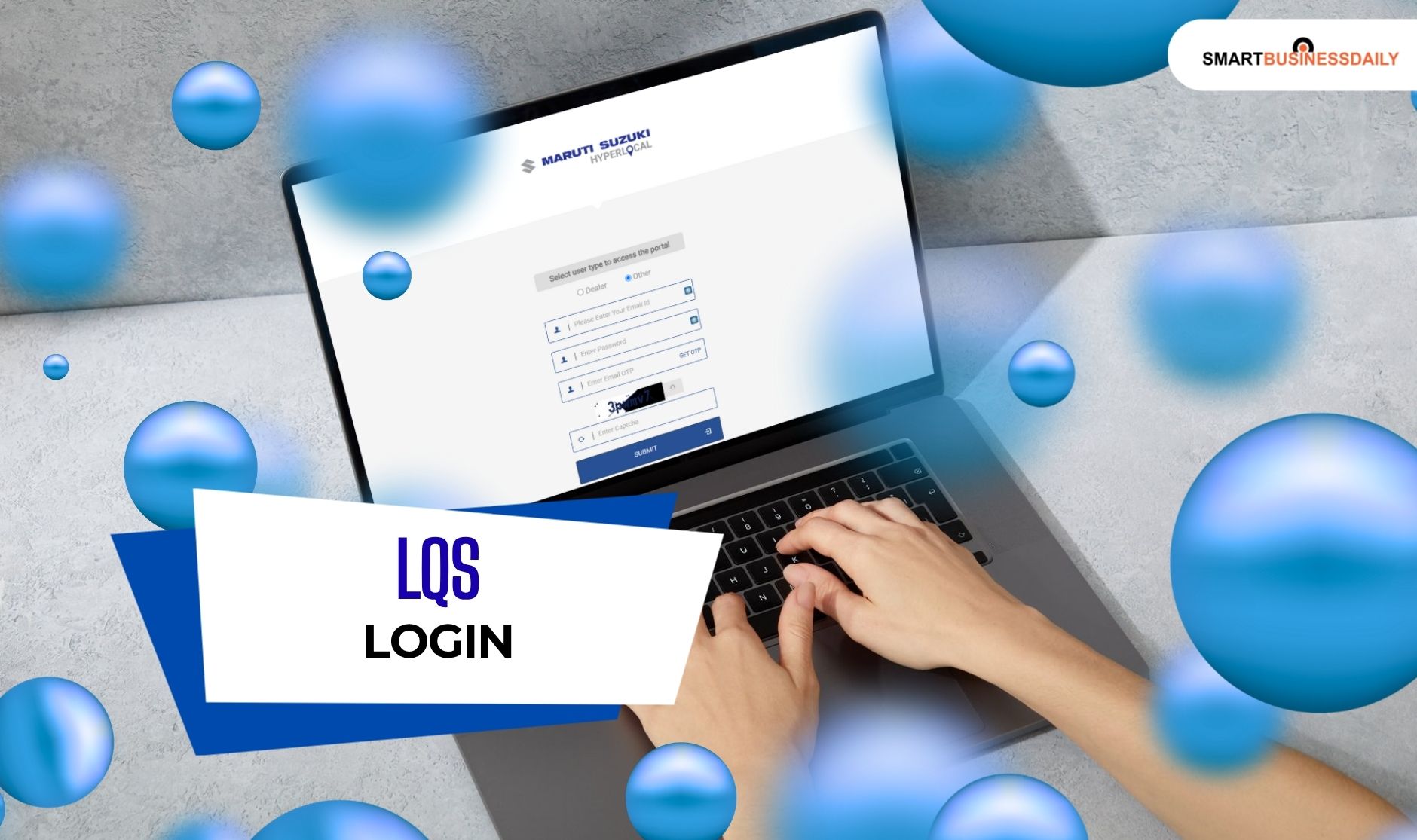
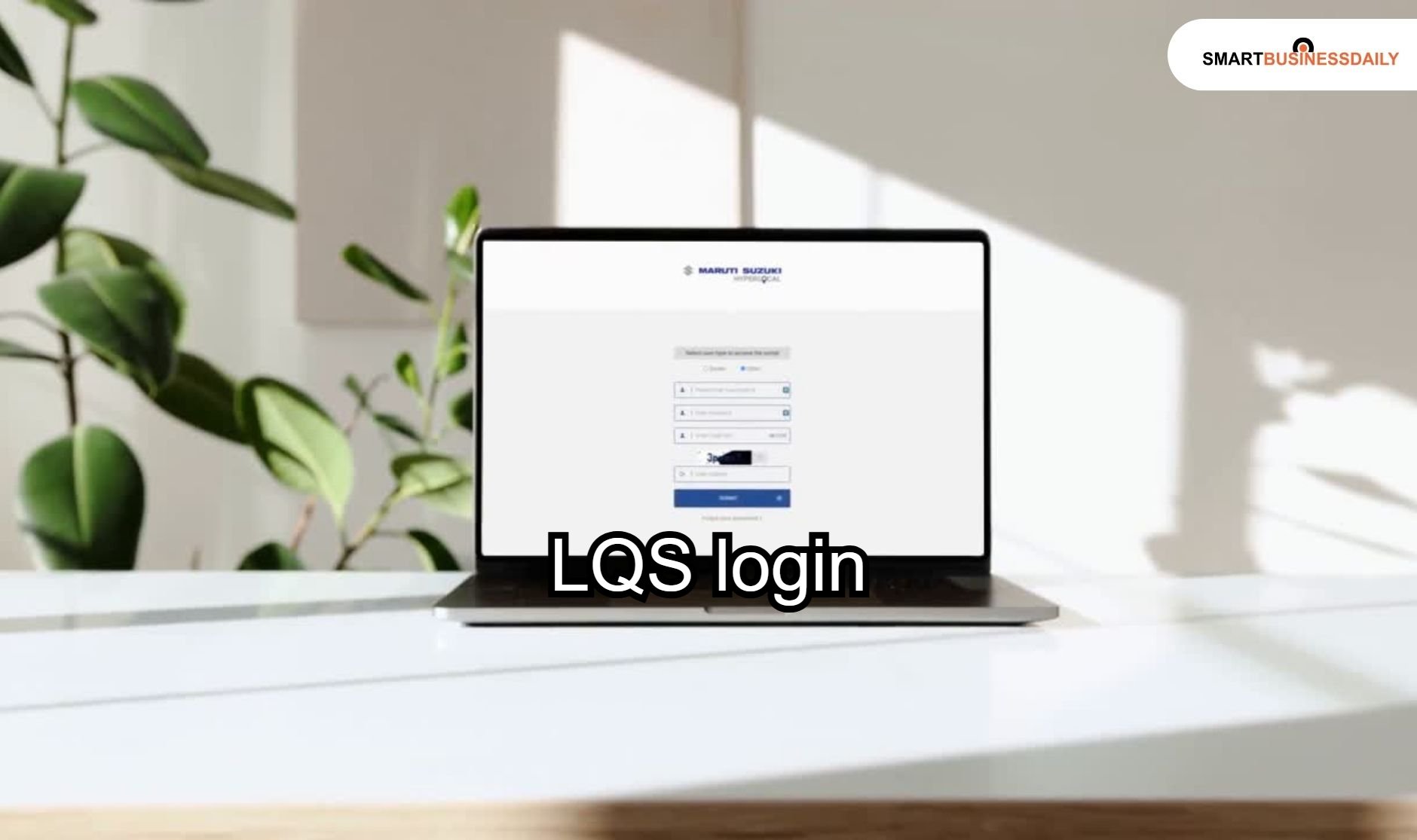
Accessing the LQS login portal is usually straightforward, but users must follow the correct steps to avoid errors. The first step is to visit the official LQS website or the organization’s internal portal where the login page is hosted. Always make sure you are using the correct and secure URL to prevent phishing attempts.
Once on the login page, you will see fields asking for your credentials. Enter your registered username or email address and your password carefully. Many login issues occur simply because of typing mistakes or incorrect capitalization. Remember that passwords are case-sensitive.
After entering your details, click the login button. If your credentials are correct, you will be redirected to your dashboard. If not, the system will display an error message such as “Invalid Username or Password.” In such cases, use the “Forgot Password” option to reset your credentials securely.
Key Features Available After LQS Login
Once you successfully log in, you gain access to the core features of the LQS system. The exact features depend on the organization using it, but generally, LQS platforms are designed to streamline workflows and improve operational efficiency.
One common feature is a personalized dashboard. This dashboard typically displays relevant updates, notifications, tasks, and reports. Instead of navigating multiple sections, users can view essential information in one place. This improves productivity and reduces time spent searching for data.
Another major feature is document management. Many LQS systems allow users to upload, download, and manage important files securely. Access levels are often role-based, meaning administrators have broader permissions compared to regular users.
Reporting and analytics tools are also commonly integrated into LQS systems. These tools generate performance reports, progress tracking data, or operational summaries. For managers and decision-makers, this data-driven approach supports better planning and informed decision-making.
Common LQS Login Problems and How to Fix Them
Even the most well-designed login systems can encounter issues. Fortunately, most LQS login problems are simple to resolve once you understand the cause.
One common issue is incorrect credentials. If you receive an error message after entering your details, double-check for typing errors. Make sure your Caps Lock key is not turned on and that you are entering the correct username.
Another frequent problem is a locked account. Many systems temporarily lock accounts after multiple failed login attempts. If this happens, wait for the lockout period to expire or contact your system administrator for assistance.
Sometimes the issue is technical rather than credential-related. Browser compatibility problems, outdated cache files, or unstable internet connections can interfere with login attempts. Clearing your browser cache, updating your browser, or switching to another browser often resolves the problem quickly.
Security Best Practices for LQS Login
Security should always be a priority when accessing any online portal, especially one that manages sensitive information. Following best practices ensures your account remains protected.
First, always create a strong password. A strong password includes a mix of uppercase letters, lowercase letters, numbers, and special characters. Avoid using predictable passwords such as your birth date or simple number sequences.
Second, never share your login credentials with anyone. Even if someone claims to be technical support, verify their identity before providing any information. Legitimate administrators typically do not ask for your password directly.
Finally, log out of your account after each session, especially if you are using a public or shared computer. This simple habit prevents unauthorized access and protects your personal or organizational data.
The Importance of Role-Based Access in LQS Systems
One of the strengths of most LQS platforms is role-based access control. This means users are granted permissions based on their roles within the organization. For example, an administrator might have full editing and management rights, while a standard user may only have viewing permissions.
This structure enhances both security and efficiency. By limiting access to sensitive functions, the system reduces the risk of accidental data modification or intentional misuse. It also ensures that users only see information relevant to their responsibilities.
From a management perspective, role-based access simplifies oversight. Administrators can quickly assign or modify permissions when staff roles change. This flexibility keeps the system organized and secure without requiring complex technical adjustments.
Tips for First-Time LQS Users
If you are logging into LQS for the first time, there are a few steps you can take to make the process smoother. Start by carefully reviewing any welcome email or onboarding instructions provided by your organization. These messages usually contain important login details and setup guidelines.
Once logged in, take time to explore the dashboard. Familiarize yourself with the layout, menu structure, and available tools. Understanding where features are located will save you time in the future.
It is also a good idea to update your profile information and set up security options, such as password recovery email addresses or two-factor authentication. Doing this early ensures you are prepared in case you ever need to recover your account.
Why LQS Login Systems Are Essential in Modern Organizations
Digital transformation has changed the way organizations operate. Centralized login systems like LQS login are no longer optional; they are essential for maintaining efficiency and accountability.
By consolidating data into a single secure platform, organizations reduce paperwork, minimize manual errors, and improve communication. Employees and stakeholders can access information instantly rather than waiting for administrative processes.
Moreover, secure login systems protect organizational integrity. With cyber threats becoming more sophisticated, having a structured authentication process is critical. LQS login systems often include encryption protocols and security layers that guard against unauthorized access.
Final Thoughts on LQS Login
LQS login may seem like a simple gateway to a digital platform, but it plays a crucial role in system security, efficiency, and user management. Understanding how to access the portal, troubleshoot common issues, and follow security best practices ensures a smooth experience.
Whether you are a student accessing learning records, an employee managing operational data, or an administrator overseeing system performance, mastering the LQS login process empowers you to work more effectively.