
Introduction: What Is an Unclaimed Lifafa?
In South Asian culture, especially in India and Pakistan, the word Unclaimed Lifafa instantly sparks a familiar image—a simple envelope carrying cash, usually given during weddings, Eid, birthdays, or other celebratory moments. It’s not just money in paper form; it’s a symbol of goodwill, respect, and social bonding. But what happens when a lifafa is never received, never opened, or never claimed? That’s where the idea of an unclaimed lifafa comes into play.
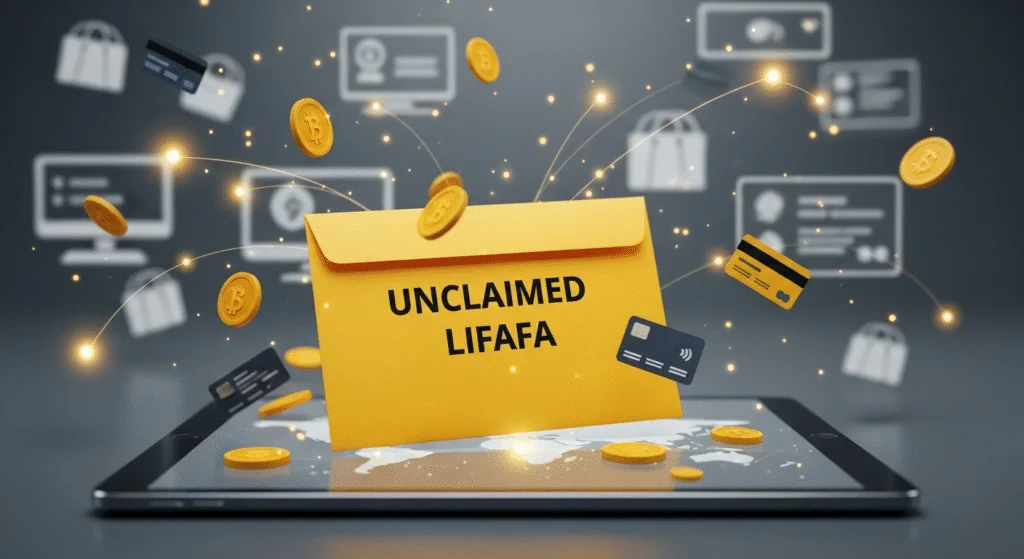
An can mean different things depending on context. Sometimes it’s a physical envelope that never reaches the intended person. Other times, it’s a digital equivalent—money sent through apps or systems that remains untouched. In rare cases, it even refers to institutional or ceremonial funds set aside for individuals who never come forward to collect them.
Despite sounding simple, situations raise interesting questions about tradition, accountability, and even modern finance. They exist quietly in the background of our social systems, often forgotten, yet collectively representing a surprising amount of money and sentiment.
The Cultural Significance of Lifafa and Why It Matters
The lifafa is deeply rooted in cultural practices. At weddings, elders give lifafas as blessings for the couple’s new life. During religious festivals, lifafas are offered to children or those in need as an act of generosity. This tradition has survived generations because it’s personal, discreet, and emotionally meaningful.
Because lifafas are usually exchanged in busy social settings—crowded weddings, large family gatherings, or community events—it’s surprisingly easy for them to go unclaimed. Someone might forget to collect one, or the giver may not find the recipient at the right moment. In such cases, the envelope gets set aside “for later,” and later never comes.
What makes this more important is that lifafas aren’t tracked like formal transactions. There’s no receipt, no digital alert, and often no record. Once misplaced or forgotten, an becomes a quiet cultural casualty—no one’s fault, yet no one’s responsibility either.
Common Reasons Why Unclaimed Lifafa
One of the most common reasons Unclaimed Lifafa remain unclaimed is simple human error. In large weddings or events, dozens—sometimes hundreds—of envelopes change hands. Amid greetings, photos, and rituals, it’s easy for things to slip through the cracks.
Another reason is miscommunication. A giver may assume someone else has already handed over the lifafa, or the recipient might believe it will be given later by a family member. In joint-family systems, responsibilities are often shared, which sometimes means they’re unintentionally ignored.
There are also emotional and social factors. In certain situations, recipients feel awkward asking about a lifafa, especially if they’re unsure whether one was intended for them. This hesitation, driven by politeness or pride, can result in money remaining unclaimed indefinitely.
Unclaimed Lifafa in the Digital Age
With the rise of digital payments, the concept of a Unclaimed Lifafa has evolved. Today, people send “Eidi” or wedding gifts via mobile wallets, bank transfers, or payment apps. While this reduces the risk of physical loss, it introduces new forms of unclaimed lifafa.
For example, money sent to an inactive wallet or incorrect number can remain unclaimed for months or even years. Some platforms automatically reverse transactions after a period, but others don’t. In such cases, funds remain stuck in limbo.
Interestingly, digital are often easier to track but harder to emotionally connect with. A forgotten cash envelope has a physical presence, while a forgotten digital transfer quietly fades into transaction histories, unnoticed and unresolved.
Legal and Ethical Questions Around Unclaimed Lifafa
From a legal standpoint, unclaimed lifafa money exists in a gray area. In personal settings, there are no formal laws governing what happens if someone never collects their envelope. Usually, families keep it safe or eventually redistribute it in good faith.
In institutional contexts—such as offices, religious organizations, or community funds—the issue becomes more complex. If money is set aside for someone and they never claim it, who owns it? Should it be returned to the giver, donated, or held indefinitely?
Ethically, most people agree that money should be handled with transparency and fairness. While it may not be legally binding, culturally it carries moral weight. Mishandling it can lead to mistrust, damaged relationships, and social tension.
Real-Life Examples of Unclaimed Lifafa Situations
There are countless real-life stories involving . Wedding halls often discover envelopes tucked behind furniture days after an event. Sometimes, these envelopes lack names, making it impossible to identify the intended recipient.
In family gatherings, elders may set aside lifafas for younger relatives who leave early or don’t attend. Years later, the envelope resurfaces during cleaning or relocation, prompting awkward but heartfelt conversations.
Even corporate environments aren’t immune. Bonuses, gift envelopes, or ceremonial cash awards occasionally go unclaimed when employees leave abruptly or fail to follow up. These scenarios show that isn’t rare—it’s just rarely discussed.
How Families and Communities Usually Handle Unclaimed Lifafa
Traditionally, families treat with care. They may store the envelope safely, waiting for the right time to hand it over. In some cases, elders keep mental notes of who the Unclaimed Lifafa belongs to and ensure it’s delivered later.
In community or religious settings, unclaimed money is often redirected toward charity after a reasonable waiting period. This approach aligns with cultural values of generosity and avoids the discomfort of holding onto money indefinitely.
What matters most is intention. When people handle situations with honesty and respect, conflicts are rare. Problems usually arise only when assumptions are made or transparency is lacking.
Tips to Avoid Lifafas Going Unclaimed
The simplest way to avoid unclaimed lifafa issues is clear communication. Givers should ensure the recipient physically receives the envelope or is clearly informed about it. A quick verbal confirmation can go a long way.
For recipients, it’s okay to politely ask if something was intended for them. Cultural politeness shouldn’t prevent clarity, especially when misunderstandings are common in large gatherings.
In digital contexts, double-checking recipient details and following up with a message helps ensure the “digital lifafa” is received and acknowledged. Small habits like these can prevent money—and emotions—from being left unresolved.
Why the Idea of Unclaimed Lifafa Still Resonates Today
Unclaimed lifafa is more than a financial issue; it’s a reflection of how traditions interact with modern life. It highlights the gaps between intention and execution, generosity and organization.
In a fast-paced world, where events are larger and interactions more complex, small cultural practices face new challenges. The reminds us that even meaningful traditions need mindful handling.
Ultimately, the concept endures because it’s human. It’s about giving, forgetting, remembering, and sometimes rediscovering—often with a smile, sometimes with regret, but always with a story attached.
Conclusion: More Than Just an Envelope
An unclaimed lifafa may seem insignificant at first glance—just an envelope, just some cash. But behind it lies culture, emotion, and social responsibility. Whether physical or digital, each lifafa carries intention, and when left unclaimed, that intention deserves thoughtful closure.
By understanding why Unclaimed Lifafa go unclaimed and how to handle them responsibly, individuals and communities can preserve trust and respect. In the end, it’s not about the money alone—it’s about honoring the gesture behind it.
And perhaps the next time you attend a wedding or festival, you’ll pay a little extra attention to those small envelopes. Because sometimes, the most meaningful things are the easiest to overlook.