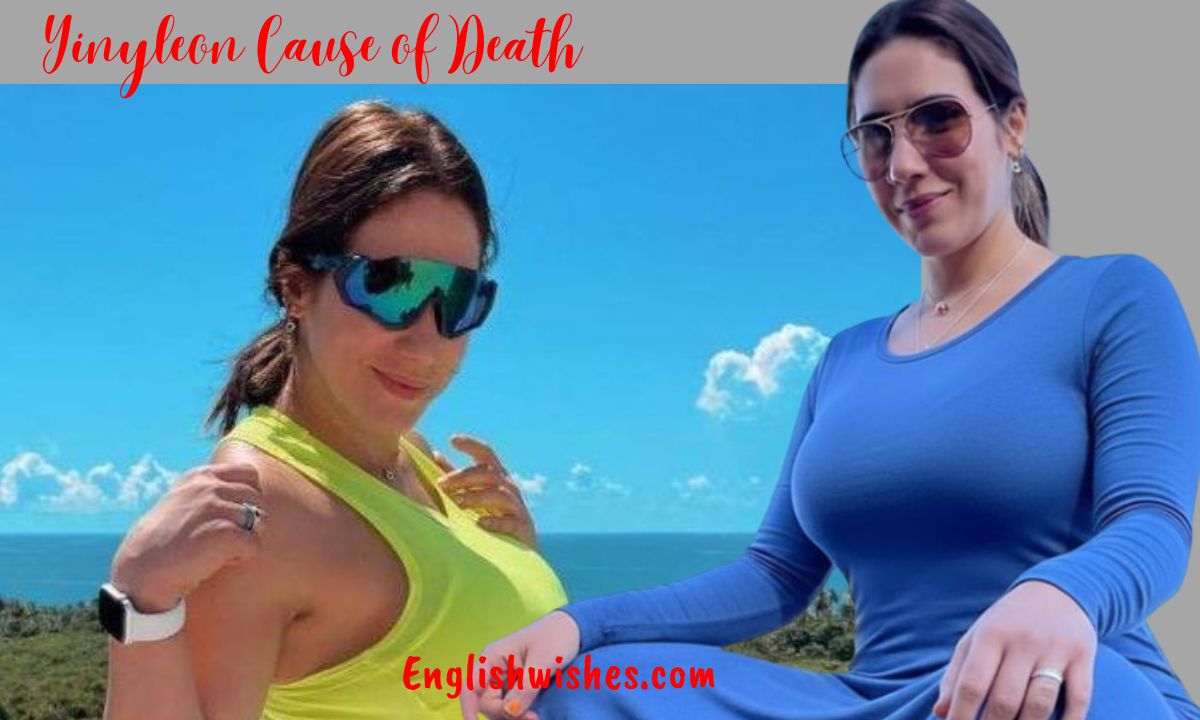
The keyword Yinyleon Death Rumors has been circulating online for a while now, sparking confusion, concern, and a lot of unnecessary speculation. If you’ve searched this phrase, you’re not alone—thousands of people do every month, often after seeing a shocking post, a misleading thumbnail, or a half-written headline on social media. This article is here to slow things down, look at the situation clearly, and explain what’s actually going on in a calm, expert, and straightforward way.
To be very clear from the start: there is no verified or credible evidence that Yinyleon Death Rumors has died. What does exist is a familiar internet pattern—rumors, hoaxes, and algorithm-driven misinformation that spreads faster than facts. Let’s unpack the whole story properly.
Who Is Yinyleon Death Rumors and Why People Care So Much
Yinyleon Death Rumors is a well-known online personality who rose to prominence through adult content platforms and social media. Over time, she built a large global following, not just because of her content, but also due to her consistent branding, direct engagement with fans, and strong presence across multiple platforms. When someone reaches that level of visibility, even a small rumor can explode overnight.
Her audience spans different countries, cultures, and age groups, which matters because misinformation travels differently in each space. A single vague post can be screenshot, translated, reposted, and reshaped into something far more dramatic than the original message. That’s exactly the kind of environment where false death rumors thrive.
Another reason these rumors gain traction is emotional attachment. Fans often feel a parasocial connection to creators they’ve followed for years. When something alarming appears—like the word “death” next to a familiar name—it triggers fear and urgency. People share first and verify later, unintentionally helping the rumor grow.
Where the “Yinyleon Death Rumors Actually Came From
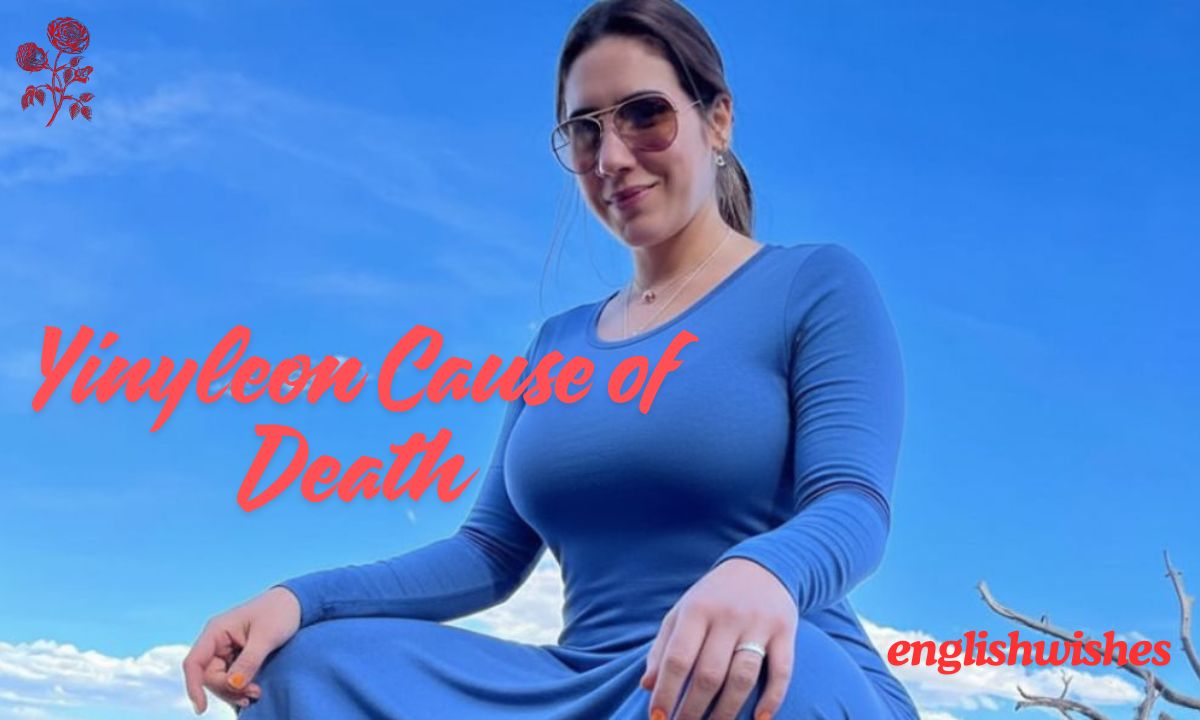
Most online Death hoaxes don’t start with a clear announcement. Instead, they usually begin with ambiguity. In Yinyleon’s case, the rumor appears to have originated from a mix of misleading social posts, clickbait titles, and inactive periods that were misinterpreted by outsiders.
Temporary silence from a creator is one of the most common triggers. When someone who usually posts frequently goes quiet, speculation fills the gap. Add one poorly worded post or a fake “RIP” comment, and suddenly people assume the worst without any confirmation.
Another major driver is monetized misinformation. Some websites and video channels intentionally use shocking keywords like “death” to attract clicks and ad revenue. The content itself often says nothing definitive, but the headline does all the damage. This tactic has been used on countless celebrities, influencers, and public figures over the years.
Is There Any Truth to the Yinyleon Death Rumors Claims?
Short answer: no. There has been no official statement, no credible news report, and no verified confirmation supporting claims of Yinyleon’s death. In cases of real deaths involving public figures, information comes from family statements, mainstream media, or trusted representatives. None of that exists here.
What often confuses people is recycled content. Old photos, archived videos, or past interviews sometimes resurface alongside dramatic captions, making them appear recent. To someone scrolling quickly, it can look like confirmation when it’s actually just recycled material.
It’s also worth noting that silence does not equal tragedy. Creators step back for many reasons—burnout, personal time, health breaks, rebranding, or simply choosing privacy. Jumping straight to “death” is a classic example of how the internet tends to escalate assumptions without evidence.
Why Yinyleon Death Rumors Hoaxes Are So Common for Online Creators
The internet rewards attention, not accuracy. That’s the uncomfortable truth. Keywords like “death,” “dead,” or “passed away” trigger strong emotional reactions, which means more clicks, more shares, and more engagement. Algorithms don’t care whether a claim is true; they care whether people interact with it.
Adult content creators are especially vulnerable to this kind of rumor. Their work is often excluded from mainstream media coverage, so when false information spreads, there’s less authoritative correction. That gap allows speculation to linger longer than it should.
There’s also a darker psychological element. Some corners of the internet treat creators as characters rather than real people. That dehumanization makes it easier for false stories to spread without empathy or concern for the actual person affected.
The Real Impact of Spreading False Yinyleon Death Rumors News
False death rumors are not harmless. For the person involved, they can be deeply distressing. Imagine discovering that thousands of strangers believe you’re dead, posting condolences, and speculating about causes that never existed. It’s invasive and emotionally exhausting.
For family members and close friends, the impact can be even worse. They may receive panicked messages, invasive questions, or harassment, all based on something completely untrue. In some cases, people have had to publicly confirm they are alive just to stop the chaos.
On a broader level, repeated hoaxes erode trust. When real news eventually does break—about anyone—people become skeptical, unsure whether to believe it. That’s the long-term cost of clickbait culture.
How to Spot and Avoid Celebrity Yinyleon Death Rumors Hoaxes
The easiest way to protect yourself from misinformation is to slow down. If you see a shocking claim, ask a few basic questions before believing or sharing it. Has any reputable news outlet reported this? Is there an official statement? Or is the source a random page with ads everywhere?
Check dates and wording carefully. Phrases like “reportedly,” “unconfirmed,” or “fans speculate” are red flags. They often mean there is no real information behind the headline. Also be cautious of posts that offer no details but push urgency, such as “This is so sad” or “I can’t believe it.”
Finally, remember that social media is not a news source by default. It can point you toward information, but it should never be the final authority—especially for something as serious as a person’s death.
Death Rumors Today: What Actually Matters
Rather than focusing on false rumors, it’s more useful to recognize that online creators are real people with boundaries. Yinyleon, like many others, controls when and how she appears online. That choice doesn’t require explanation, and it certainly doesn’t justify extreme assumptions.
The continued interest in the keyword “ Yinyleon ” says more about internet behavior than about Yinyleon herself. It highlights how quickly misinformation spreads and how rarely people stop to question it once it gains momentum.
As audiences, we have a role to play. Choosing not to engage with clickbait, not to share unverified claims, and not to sensationalize silence is a small but meaningful step toward a healthier online space.
Final Thoughts: Facts Over Fear
To wrap this up clearly and responsibly: Yinyleon is not confirmed to be dead, and the rumors surrounding her “death” are a classic example of internet misinformation fueled by speculation and clicks. There is no credible evidence supporting those claims, and repeating them only causes unnecessary harm.
If you’re a fan, the best thing you can do is respect privacy, rely on verified information, and avoid spreading fear-based narratives. The internet already has enough noise—facts deserve to travel just as fast as rumors.
In a digital world where anyone can publish anything, critical thinking isn’t optional anymore. It’s essential.