
The coronation of King Charles III Coronation Medal marked one of the most significant moments in modern British history, and with it came a powerful symbol of service and recognition: the King Charles III Coronation Medal. More than just a collectible item, this medal represents continuity, duty, and appreciation for those who have contributed to the nation and the Commonwealth.
While coronation medals have existed for centuries, this particular honor carries unique meaning. It reflects a changing monarchy, a new reign, and a modern approach to recognizing public service. From military personnel to frontline workers, the medal highlights people who quietly keep institutions and communities running.
In this article, we’ll explore the background, design, eligibility, and long-term significance of the King Charles III Coronation Medal, breaking down why it holds such lasting value beyond the ceremony itself.
What Is the King Charles III Coronation Medal?
The King Charles III Coronation Medal is a commemorative award created to mark the coronation of King Charles III in 2023. It is officially sanctioned and distributed to recognize individuals who have demonstrated exceptional service to the United Kingdom, the Crown, or the wider Commonwealth.
Unlike commercial souvenirs, this medal is an official state honor. It follows a long-standing British tradition of issuing medals for coronations, jubilees, and major royal milestones. These medals serve as tangible reminders of a specific reign and moment in history.
What makes this medal stand out is its balance between tradition and modern relevance. While rooted in royal customs, it acknowledges today’s workforce, including emergency responders, armed forces members, and public servants whose contributions often go unnoticed.
Historical Tradition of King Charles III Coronation Medal
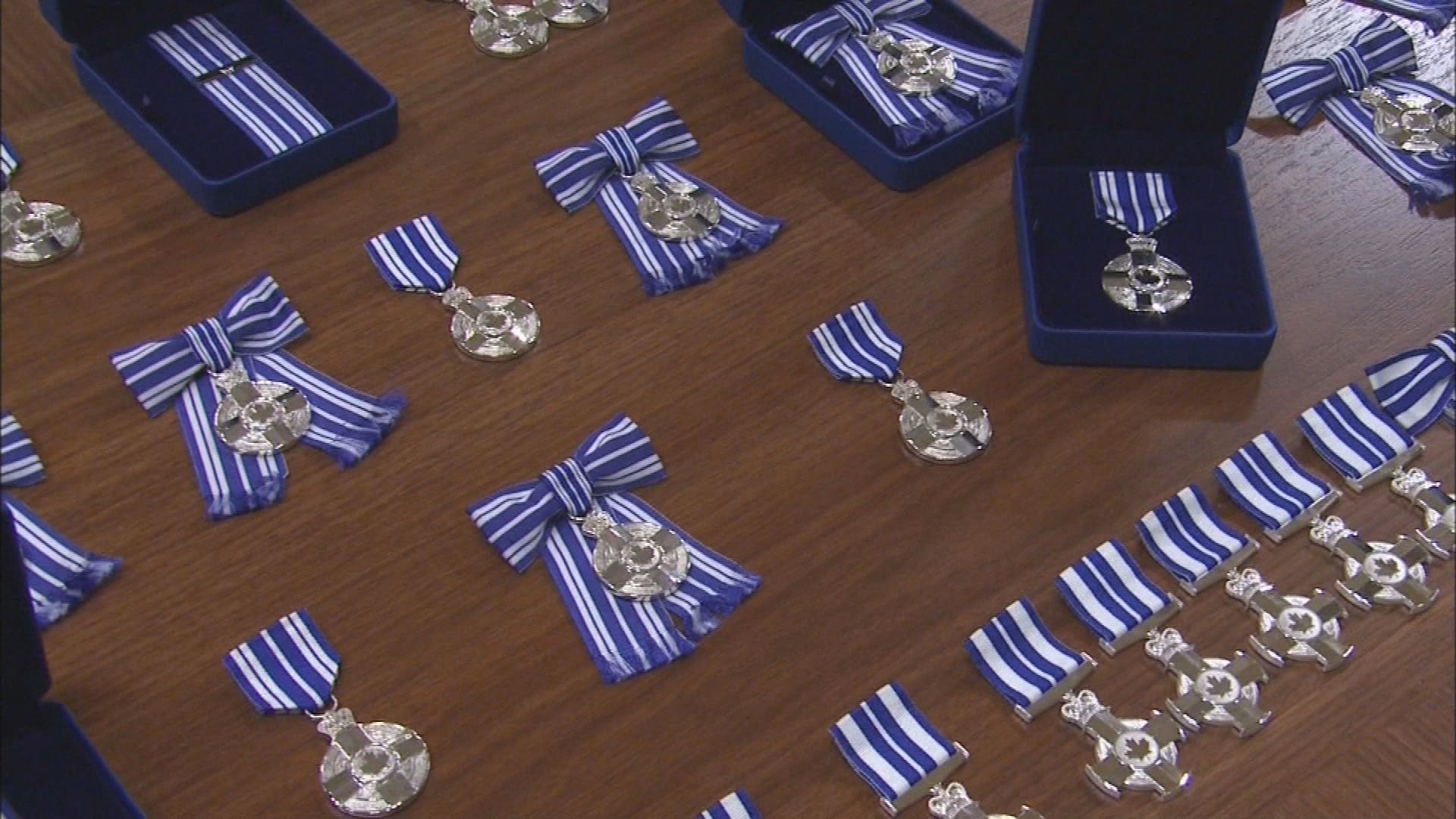
King Charles III Coronation Medal date back hundreds of years and have been issued for monarchs such as Queen Victoria, King George VI, and Queen Elizabeth II. Each medal tells a story about its time, reflecting the values and priorities of the era in which it was awarded.
Historically, these medals were reserved primarily for military and high-ranking officials. Over time, the scope expanded to include civilians, reflecting a broader understanding of national service. This shift made coronation medals more inclusive and representative of society as a whole.
The King Charles III Coronation Medal continues this evolution. It honors both tradition and progress, showing how the monarchy adapts while maintaining its ceremonial roots.
Design and Symbolism of the Medal
The design of the King Charles III Coronation Medal is rich with symbolism. Featuring an effigy of King Charles III, it captures his role as monarch while subtly reflecting his personal identity and reign style. The craftsmanship emphasizes dignity rather than extravagance.
On the reverse side, inscriptions and emblems typically reference the coronation year and royal authority. These details ensure the medal is immediately identifiable as a historic piece linked to a specific moment in time.
Even the ribbon colors carry meaning, often incorporating royal or national hues. Every design choice reinforces the idea that this medal is not decorative alone—it tells a story of service, loyalty, and continuity.
Who Is Eligible to Receive the Coronation Medal?
Eligibility for the King Charles III Coronation Medal extends across various sectors. Recipients include members of the armed forces, emergency services, prison services, and individuals working within royal households or public institutions.
What makes this medal particularly meaningful is its focus on sustained service rather than rank alone. Many recipients are recognized for years of dedication, professionalism, and commitment rather than a single act or achievement.
This inclusive approach strengthens the medal’s value. It sends a clear message that long-term service matters and that contributions at every level help shape the nation.
Why the King Charles III Coronation Medal Is Important
The importance of the King Charles III Coronation Medal goes far beyond the metal it’s made from. It serves as official recognition from the Crown, which carries deep emotional and symbolic weight for recipients.
For many, receiving the medal validates years of hard work carried out behind the scenes. It reinforces pride in service and strengthens the bond between the monarchy and the people who support national institutions daily.
From a historical perspective, the medal also becomes part of Britain’s documented legacy. Decades from now, it will help historians understand who was valued and why during King Charles III’s reign.
Collectibility and Long-Term Value
While the medal is not intended for sale, it holds undeniable interest for collectors and historians. Official King Charles III Coronation Medal often increase in historical value over time, especially when preserved with original ribbons and documentation.
Collectors view these medals as physical connections to royal events. Unlike mass-produced memorabilia, official medals carry authenticity, limited distribution, and a clear historical purpose.
However, for most recipients, the value is personal rather than monetary. It represents pride, recognition, and a once-in-a-lifetime moment tied directly to a monarch’s coronation.
How This Medal Reflects King Charles III’s Reign
King Charles III has long emphasized service, sustainability, and responsibility. The coronation medal subtly mirrors these themes by honoring individuals who dedicate themselves to public good rather than personal gain.
Unlike eras focused heavily on hierarchy, this medal highlights collective effort. It reflects a monarchy that acknowledges modern challenges and values everyday contributions.
As King Charles III’s reign continues, this medal will likely be remembered as one of the first defining symbols of his kingship—grounded, respectful, and forward-looking.
Final Thoughts on the King Charles III Coronation Medal
The King Charles III Coronation Medal is far more than a ceremonial keepsake. It is a powerful acknowledgment of service, history, and national identity at the beginning of a new royal chapter.
Its design, distribution, and symbolism combine tradition with contemporary values, making it meaningful for recipients and historians alike. It captures a moment when the monarchy reaffirmed its connection to the people who uphold it daily.
As time passes, this medal will stand as a lasting reminder of dedication, loyalty, and the beginning of King Charles III’s legacy.