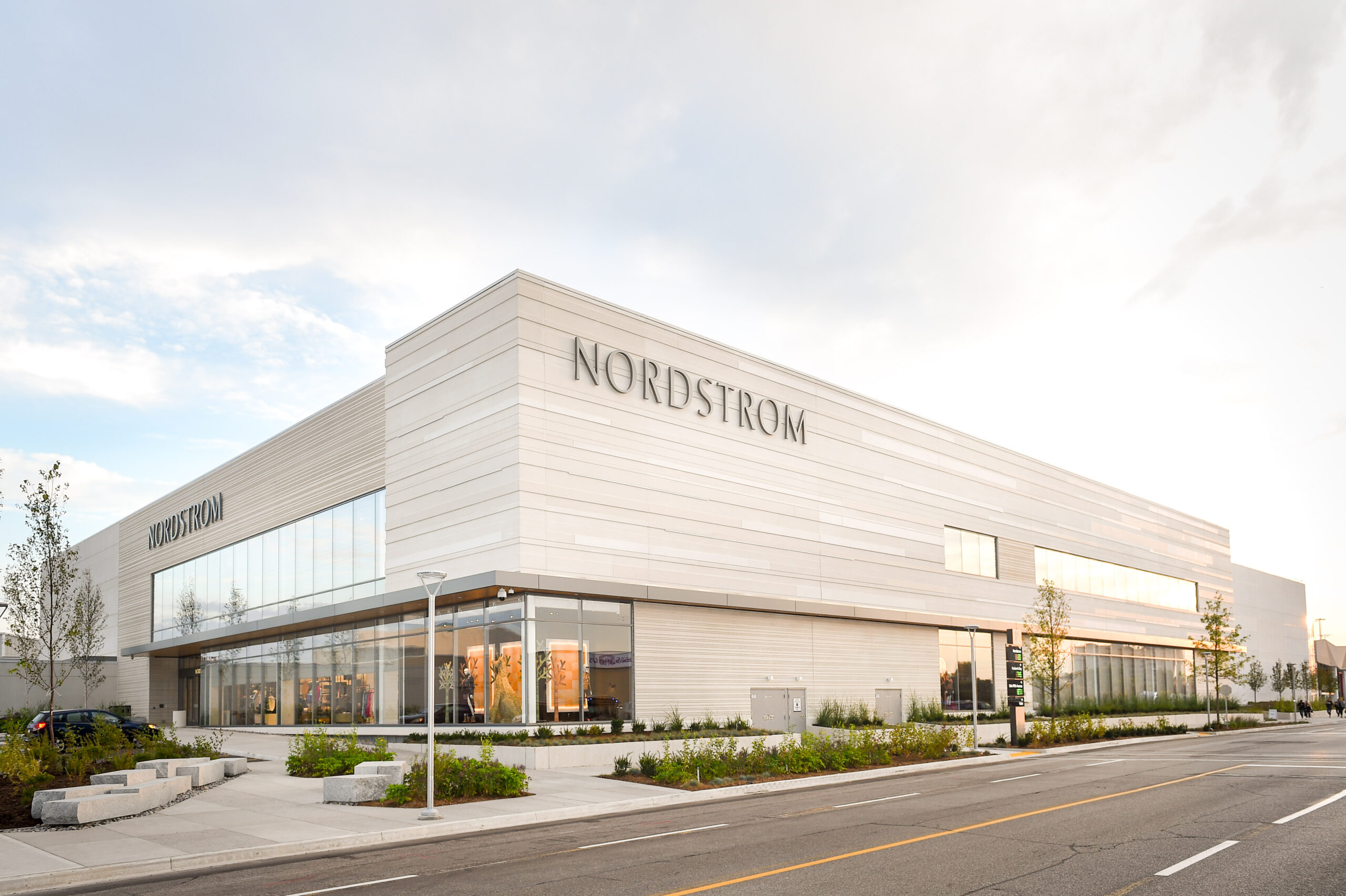
Nordstrom Calgary was once one of the most talked-about luxury retail destinations in Alberta. For years, it represented more than just a department store—it symbolized international fashion, premium customer service, and a changing retail landscape in Calgary. Whether you shopped there regularly or simply followed the buzz around its arrival and departure, Nordstrom left a noticeable mark on the city.
This article explores the full story of Nordstrom Calgary, from its highly anticipated opening to its influence on local retail and what its legacy still means today. Written casually but with an expert lens, this guide breaks everything down in a clear, engaging way.
The Arrival of Nordstrom in Calgary
When Nordstrom first entered the Calgary market, it was seen as a major win for the city’s retail scene. Calgary had long been home to strong shopping centres and loyal local brands, but Nordstrom brought something different—an elevated, international department store experience that many residents previously had to travel for.
The store was located in one of Calgary’s most prominent malls, instantly positioning itself as a premium shopping destination. From the very beginning, Nordstrom Calgary attracted attention for its modern layout, upscale brand mix, and polished in-store atmosphere. It wasn’t just a place to shop; it was designed to feel like an experience.
For many shoppers, Nordstrom’s arrival signaled that Calgary was evolving into a more fashion-forward and globally connected city. The excitement around opening day, job creation, and brand availability showed just how much anticipation existed for a retailer of Nordstrom’s caliber.
What Made Nordstrom Calgary Stand Out

One of the biggest reasons Nordstrom Calgary gained popularity was its approach to customer service. Nordstrom has always been known for putting the customer first, and the Calgary location followed that tradition closely. Staff were trained to be attentive without being pushy, knowledgeable without sounding scripted, and genuinely helpful.
The store also stood out because of its curated selection of brands. From luxury designers to high-quality everyday wear, Nordstrom Calgary offered options that appealed to a wide range of shoppers. You could walk in for a casual outfit and walk out with a designer piece, all in the same visit.
Another standout feature was the store’s physical design. Wide aisles, clean displays, and thoughtfully organized departments made shopping feel relaxed rather than overwhelming. Compared to traditional department stores, Nordstrom Calgary felt modern, open, and intentionally designed for comfort.
Nordstrom Calgary’s Role in the Local Retail Landscape
Nordstrom Calgary didn’t operate in isolation—it had a noticeable effect on surrounding retailers and the broader shopping ecosystem. Its presence raised expectations around service quality, store presentation, and brand variety across the mall and beyond.
Local and national retailers began paying closer attention to customer experience as Nordstrom set a new benchmark. From return policies to personal styling services, many stores adapted in subtle ways to remain competitive. In that sense, Nordstrom Calgary pushed the entire retail environment to level up.
At the same time, the store helped attract more foot traffic to the mall. Shoppers who came specifically for Nordstrom often ended up visiting nearby stores, restaurants, and cafés. This ripple effect benefited the wider retail community, especially during peak shopping seasons.
Challenges Faced by Nordstrom in Calgary
Despite its strong brand and loyal customer base, Nordstrom Calgary faced several challenges. Like many brick-and-mortar retailers, it had to navigate shifting consumer habits, including the growing preference for online shopping and convenience-driven purchases.
Economic factors also played a role. Calgary’s economy has historically been tied to industries that experience cycles, and fluctuations in consumer spending can directly impact luxury retail. High-end department stores rely heavily on discretionary income, which can tighten during uncertain times.
Additionally, operating large physical stores comes with significant costs. From staffing and inventory to rent and logistics, maintaining a premium in-store experience is expensive. These challenges weren’t unique to Calgary, but they did influence Nordstrom’s long-term strategy in the Canadian market.
The Closure of Nordstrom Calgary and Its Impact
When Nordstrom Calgary eventually closed its doors, it marked the end of an era for many local shoppers. The news came as a disappointment to those who valued the brand’s service, selection, and atmosphere. For some, it felt like losing a piece of Calgary’s evolving retail identity.
The closure also had a visible impact on the shopping centre itself. Large anchor stores play a crucial role in driving traffic, and Nordstrom’s exit left a noticeable gap. While malls are resilient and adaptable, replacing a retailer of that size and reputation is never a simple task.
From a broader perspective, the closure sparked conversations about the future of physical retail in Canada. Nordstrom Calgary became part of a larger discussion about how global brands adapt—or struggle to adapt—to changing markets and consumer expectations.
What Nordstrom Calgary Still Represents Today
Even after its closure, Nordstrom Calgary continues to be referenced in conversations about premium shopping in the city. Many shoppers still compare service standards and product offerings to what Nordstrom once provided, which speaks volumes about the impression it left behind.
For retail analysts and business observers, Nordstrom Calgary serves as a case study. It highlights both the opportunities and risks of expanding international retail brands into new markets. Strong branding alone isn’t always enough—local economic conditions, shopping behaviors, and operational costs all matter.
On a more personal level, Nordstrom Calgary remains a nostalgic memory for many. From special occasion shopping to everyday visits, the store was part of people’s routines. That emotional connection is something few retailers manage to achieve, and it reinforces why Nordstrom’s time in Calgary is still worth discussing.
The Future of Luxury Retail in Calgary
While Nordstrom Calgary is no longer operating, the demand for quality retail experiences in the city hasn’t disappeared. Calgary shoppers are still interested in premium brands, thoughtful service, and well-designed shopping environments—just delivered in new ways.
Many retailers are now blending online convenience with physical experiences, offering smaller stores, curated selections, and flexible services. The lessons learned from Nordstrom Calgary’s journey will likely influence how future luxury brands approach the Calgary market.
In the end, Nordstrom Calgary played an important role in shaping expectations. Its legacy lives on in the way shoppers think about value, service, and what a truly great retail experience should feel like.
Final Thoughts
Nordstrom Calgary was more than just a store—it was a moment in the city’s retail history. From its highly anticipated arrival to its lasting influence after closure, it left a meaningful footprint on how Calgarians shop and what they expect from premium retailers.
Even today, the story of Nordstrom Calgary continues to offer insights into retail evolution, customer loyalty, and the challenges of operating at the high end of the market. And that’s exactly why the conversation around it isn’t over yet.